
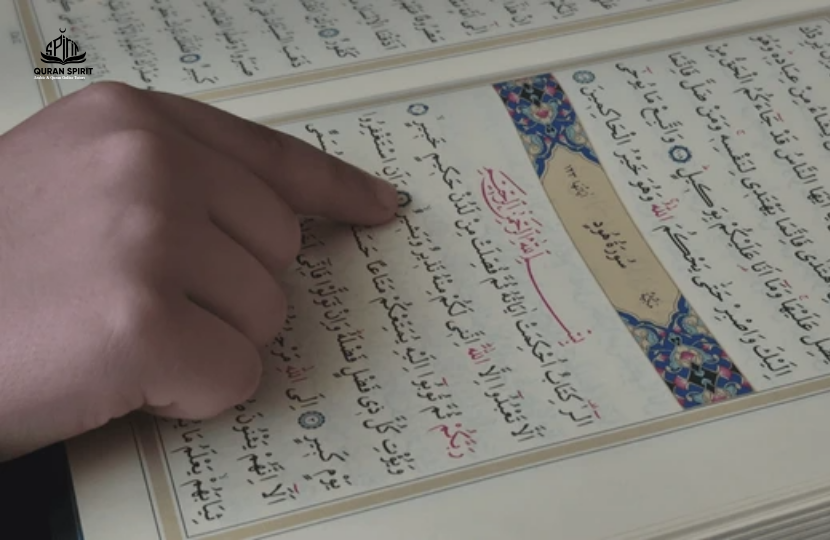
Starting the journey of Quran memorization is one of the most rewarding spiritual endeavors a Muslim can undertake. However, looking at the Quran as a whole can sometimes feel overwhelming for beginners. While all 30 Juz of the Quran carry equal spiritual weight, certain sections are structurally shorter, feature concise verses, and follow rhythmic rhyming patterns that make them much easier to memorize and retain.
If you are looking to build momentum, gain confidence, and establish a strong daily memorization habit, starting with the easiest and shortest Juz is the most effective strategy. Here is a detailed guide by Quran Spirit to the easiest Juz to memorize in the Quran.
List Of Shortest Juz in the Quran
1. Juz 30 (Juz Amma)
Juz Amma is universally recognized as the absolute best starting point for anyone beginning their Hifdh journey. Comprising Surah An-Naba (78) through Surah An-Nas (114), it contains 37 short Surahs.
- Why It Is Easy: Most of the Surahs in Juz 30 consist of short, powerful verses (ayat) with strong rhythmic patterns. Because these Surahs are frequently recited during daily congregational prayers, most Muslims are already familiar with their sound and flow before even sitting down to memorize them.
- Best For: Absolute beginners, children, and adults establishing their initial memorization routine.
2. Juz 29 (Juz Tabarak)
Once you complete Juz Amma, Juz Tabarak is the natural next step. Spanning from Surah Al-Mulk (67) to Surah Al-Mursalat (77), this Juz contains 11 Surahs that focus heavily on Islamic creed, the afterlife, and reflections on creation.
- Why It Is Easy: Although the Surahs are slightly longer than those in Juz 30, they maintain a highly poetic and structured cadence. Surahs like Al-Mulk, Al-Qalam, and Al-Muzzammil have distinct thematic flows that help your brain connect one verse to the next seamlessly.
- Best For: Building stamina for medium-length Surahs after mastering Juz 30.
3. Juz 28 (Juz Qad Sami)
Juz Qad Sami spans from Surah Al-Mujadila (58) to Surah At-Tahrim (66). It contains 9 Surahs that deal primarily with social ethics, community guidelines, and moral character.
- Why It Is Easy: The Surahs in this Juz—such as Surah Al-Jumu’ah, Surah As-Saff, and Surah At-Taghabun—are relatively short and moderate in length. The vocabulary is crisp, and the themes are practical, making the verses easy to visualize and retain.
- Best For: Transitioning from short poetic verses into standard legislative and narrative Quranic prose.
4. Juz 27
Juz 27 covers Surah Adh-Dhariyat (51) through Surah Al-Hadid (57). It includes iconic and widely loved Surahs such as Surah Ar-Rahman, Surah Al-Waqi’ah, and Surah At-Tur.
- Why It Is Easy: Surah Ar-Rahman is famous for its repetitive refrain (“Fabi-ayyi ala-i Rabbikuma tukadhdhiban”), which naturally aids memorization and memory recall. Surah Al-Waqi’ah features very short, punchy verses that flow quickly, making the entire Juz surprisingly fast to commit to memory.
- Best For: Learners who thrive on high repetition and vivid imagery.
5. Juz 26
Juz 26 runs from Surah Al-Ahqaf (46) to Surah Qaf (50). It includes deeply moving Surahs such as Surah Al-Hujurat (focusing on social manners and etiquette) and Surah Muhammad.
- Why It Is Easy: Juz 26 marks the beginning of the Mufassal section (the final detailed section of the Quran). The Surahs here are concise compared to the long chapters at the beginning of the Quran. Surah Qaf and Surah Al-Fath have a beautiful, solemn rhythm that captures the ear and settles quickly in visual memory.
- Best For: Completing the entire back portion of the Quran before tackling the longer middle chapters.
6. Juz 1 (Alif Lam Meem)
While it might seem counterintuitive to jump from the end of the Quran to the beginning, Juz 1 (containing Surah Al-Fatiha and the first half of Surah Al-Baqarah) is often one of the easiest sections to memorize.
- Why It Is Easy: Most students are already deeply familiar with Surah Al-Fatiha and the opening verses of Surah Al-Baqarah, including Ayat al-Kursi. Furthermore, Juz 1 tells clear stories—such as the creation of Adam (AS) and the history of Bani Isra’il—which provide a logical narrative thread that guides your memory step by step.
- Best For: Learners who prefer narrative storytelling and structured context over short, thematic passages.
Tips to Accelerate Your Memorization
- Stick to One Mushaf: Always memorize from the same physical copy to build a strong photographic memory of the page layout.
- Listen Before You Memorize: Listen to a clear Qari (reciter) multiple times before attempting to memorize new verses to ensure your pronunciation (Tajweed) is accurate from the start.
- Prioritize Revision (Muraja’ah): New memorization is like fresh paint—without constant revision, it fades quickly. Always revise your old Juz before adding new pages.
Conclusion
Beginning your Hifz with the shortest and easiest Juz is a proven psychological and practical strategy. By starting with Juz 30 and gradually working your way through Juz 29, 28, 27, 26, and Juz 1, you build early confidence, master essential Tajweed patterns, and establish a sustainable daily routine. Choose a manageable starting point, remain consistent, and let every completed page inspire you toward the next. Join online hifz classes at Quran Spirit today with a free trial class.
