
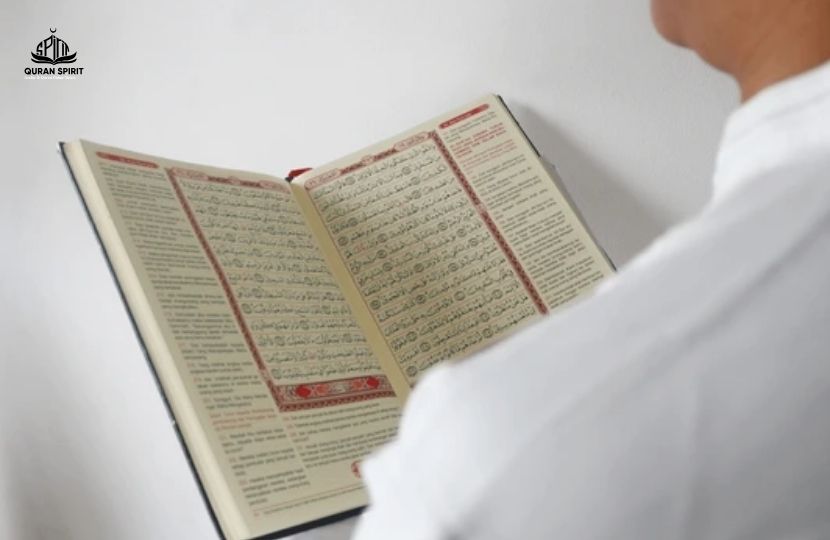
Choosing where to start your Hifz course journey is more than just a logistical choice; it is about setting the tone for your relationship with the Quran. While the destination is the same, the path you choose should align with your psychological needs, your daily schedule, and your current level of familiarity with the text.
Guide On Where to Start with Memorizing the Quran
Most students gravitate toward one of three primary entry points. Here is a breakdown of those paths to help you decide which one resonates with your heart.
1. Starting with Juz Amma (The 30th Juz)
This is the most traditional and popular starting point for children and new adults with juz amma surah.
- The surahs are very short (e.g., Al-Ikhlas, Al-Kawthar), allowing you to complete many chapters quickly. This builds massive psychological momentum.
- You use these surahs in your daily prayers. Memorising them allows you to vary your recitation in prayer immediately.
- It is the perfect place to master Tajweed because the verses are rhythmic and repetitive.
Most students start from Surah An-Nas and work backward toward Surah An-Naba.
Note: Students can join Quran Spirit to hifz classes for kids, adults, and ladies hifz classes with the bottom-to-top technique
2. Starting with Surah Al-Baqarah (The Beginning)
Starting your memorization journey with Juz 1 is often described as a “marathon” strategy. This path is ideal for those with a high level of dedication, as it requires tackling the Quran’s longest chapter, Surah al-Baqarah, right at the outset. The logic is that once you have successfully navigated this initial, massive hurdle, the remaining surahs appear much shorter and more approachable by comparison.
Furthermore, many scholars and memorization experts suggest that the intense focus needed for Surah al-Baqarah serves as a profound mental exercise. Successfully memorising such a long surah is thought to “unlock” a student’s cognitive potential, sharpening their memory and building the mental stamina necessary for the long-term commitment of becoming a Hafiz.
3. Miscellaneous Surahs (Personal Preference)
It’s suitable for those with specific needs, established familiarity, or who learn better by connecting with specific themes. While less common as a primary starting point for a complete Hifdh journey, some individuals opt to memorise specific surahs based on personal connection, spiritual significance, or immediate need. This approach is often taken by those who have already memorised some parts of the Quran or who have a strong affinity for particular chapters.
If you’ve grown up hearing or reciting certain surahs frequently (e.g., Surah Ar-Rahman, Surah Ad-Dhuha), you might find it easier to commit them to memory first, building on existing familiarity. While beneficial, this approach is usually integrated within a larger Hifdh plan rather than being the sole strategy from day one for someone aiming for complete memorization. If your goal is to memorize the entire Quran, you will eventually need to adopt a more systematic approach after these initial selections.
Quran Spirit provides a customised hifz plan for certain surahs such as Surah Mulk, Surah Ar-Rahman, Surah Yaseen, etc.
Key Considerations for Any Starting Point:
Regardless of where you begin, remember these universal principles for a successful Hifz journey:
- Find a Qualified Teacher: This is paramount. A quran teacher will correct your Tajweed, guide your pace, and hold you accountable. Their guidance is invaluable.
- Consistency is King: Even if it’s just a few verses a day, consistent effort yields far better results than sporadic, intense sessions.
- Regular Review: Memorizing is only half the battle; retaining it is the other. Dedicate significant time to reviewing previously memorised portions.
- Understand What You Memorize: While not strictly necessary for memorization itself, understanding the meaning ($Tafsir$) of the verses will deepen your connection, aid recall, and enrich your spiritual experience.
- Make Du’a (Supplication): Ask Allah to make the path easy, to strengthen your memory, and to grant you sincerity.
- Listen Actively: Listen to recitations of your chosen surahs by renowned Qaris (reciters). This helps with rhythm, pronunciation, and embedding the sound in your memory.
- Choose One Mushaf: Stick to one specific print of the Mushaf with the same page layout. This creates a visual memory cue that aids recall.
Conclusion
The journey of memorising the Quran requires dedication from the heart, mind, and soul. It is essential to begin at a point that is meaningful to you personally. Seeking guidance from knowledgeable sources like Quran Spirit and maintaining a consistent practice is crucial for success. Trusting in Allah’s assistance throughout this process is also important.
