
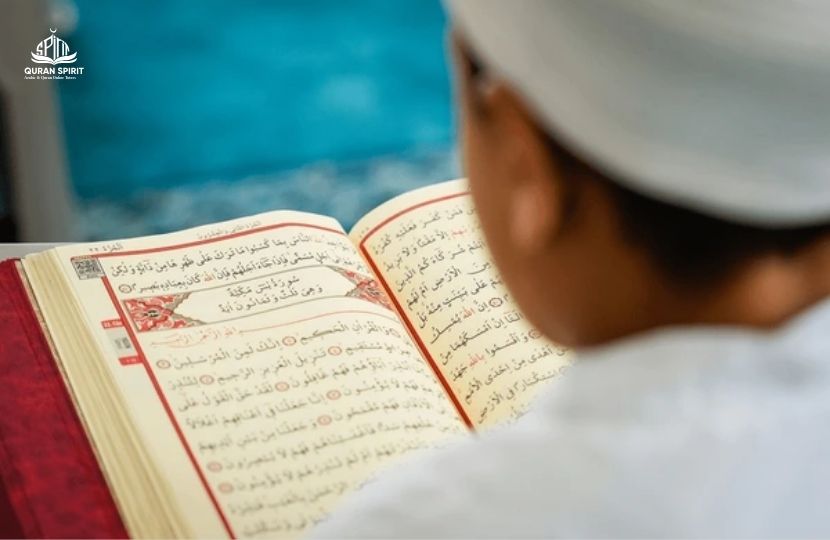
Becoming a Hafiz or Hafiza is regarded as one of the most esteemed spiritual accomplishments within Islam. The term “Hafiz” translates to “one who protects” or “one who guards.” A Hafiz is an individual who has committed the entire Quran to memory, showcasing a deep dedication to their faith and its teachings. Below is a comprehensive exploration of the significance and implications of being a Hafiz by completing hifz course.
The Linguistic and Spiritual Meaning of Hafiz e Quran
To truly embody the title of Hafiz, one must move beyond the initial celebration of completion and embrace a lifelong commitment to Muraja’ah (constant revision). Because the human memory is naturally fluid, retaining the Quran requires a disciplined cycle of recitation, ideally completing a full review of all 30 parts (Juz) at least once a month. This is not merely a repetitive task; it is a spiritual hygiene that keeps the heart polished and the mind anchored.
This engagement fosters a profound psychological and neurological connection to the text. As these verses are repeated year after year, they transcend rote memorization and begin to resonate deeply within one’s subconscious. In moments of stress, joy, or moral ambiguity, the relevant verses naturally surface, providing an internal “soundtrack” of divine wisdom.
Ultimately, this lifelong intimacy with the Word of Allah ensures that the Quran is not just stored in the brain but is woven into the very fabric of one’s character. Such dedication fortifies the soul against the distractions of the material world and enriches the spiritual journey.
The Journey of Becoming Hafiz
Becoming a Hafiz is a rewarding process that typically takes between 2- 4 years of intensive study. Before memorizing, a student must master the Tajweed rules to ensure every letter is recited exactly as it was revealed. Most students follow a three-part daily routine:
- Sabaq: Learning a new portion of the Quran.
- Sabqi: Reviewing the portions learned in the last month.
- Manzil/Amokhta: Reviewing everything learned since day one.
It requires immense mental stamina. A student might spend 4–6 hours a day reciting to ensure the verses move from short-term to long-term memory.
The Status of a Hafiz in Islam
In Muslim communities, a Hafiz is deeply respected and often holds specific roles:
-
Leading Prayer (Imamat)
Because they carry the most Quran in their hearts, they are given priority to lead the five daily prayers and the special Taraweeh prayers during Ramadan.
-
Teaching
Many go on to become teachers, passing the oral tradition to the next generation.
-
Spiritual Radiance
Hadith (prophetic traditions) state that a person who memorizes the Quran will be in the company of the “noble and obedient angels.”
Divine Rewards (The Afterlife)
Islam details several profound rewards for those who complete and maintain their Hifz:
-
The Crown of Honor
On the Day of Judgement, the parents of a Hafiz will be given a crown to wear, whose light is described as brighter than the sun.
-
Intercession
It is believed that a Hafiz who lives by the Quran’s teachings will be allowed to intercede for several family members on the Day of Judgment.
-
Ascending in Jannah
It is believed that a Hafiz who lives by the Quran’s teachings will be allowed to intercede for several family members on the Day of Judgment.
The Lifetime Commitment
The title of Hafiz is not a “one-and-done” achievement. The Quran is known to be easily forgotten if not reviewed regularly.
“The heart is like a vessel; if you don’t keep filling it with the Quran, it begins to leak.”
To truly embody the title of Hafiz, one must make a lifelong commitment to revisiting the Quran, ideally at least once a month. This practice not only helps to retain the verses but also fosters a profound psychological connection, allowing the teachings of the Quran to resonate deeply within one’s thoughts and emotions. Over time, these verses can transform into a spiritual “soundtrack,” influencing one’s decisions, values, and perceptions shaped by the divine wisdom found in the text. Such dedication ultimately fortifies one’s faith and enriches one’s spiritual journey.
Living the Quran
A common saying among scholars asserts that a Hafiz, or someone who has memorized the Quran, should strive to be a “walking Quran.” This perspective highlights that while memorization is an important first step, it is equally crucial to embody the ethics, kindness, and justice reflected in the verses. Thus, the role of a Hafiz extends beyond mere recitation to living out the values and teachings of the Quran in daily life.
Conclusion
Becoming a Hafiz is far more than a test of memory; it is a lifelong journey of the heart. By internalizing the verses of the Quran, a Hafiz becomes a living link in a chain of oral tradition that stretches back over 1,400 years. This noble title carries a deep responsibility—not only to protect the words through constant revision but to reflect their spirit through character, service, and humility. Quran Spirit offers a structured online Hifz program, including a dedicated hifz course for kids and supportive ladies hifz classes, guided by qualified teachers who nurture both memorization and spiritual growth. Those who wish to begin this blessed journey are warmly invited to join Quran Spirit’s online Hifz course.
